Science · · 5 min read
Light Pollution in Vietnam
Night skies are brightening faster than we assumed. What the data shows, and what remains unknown.
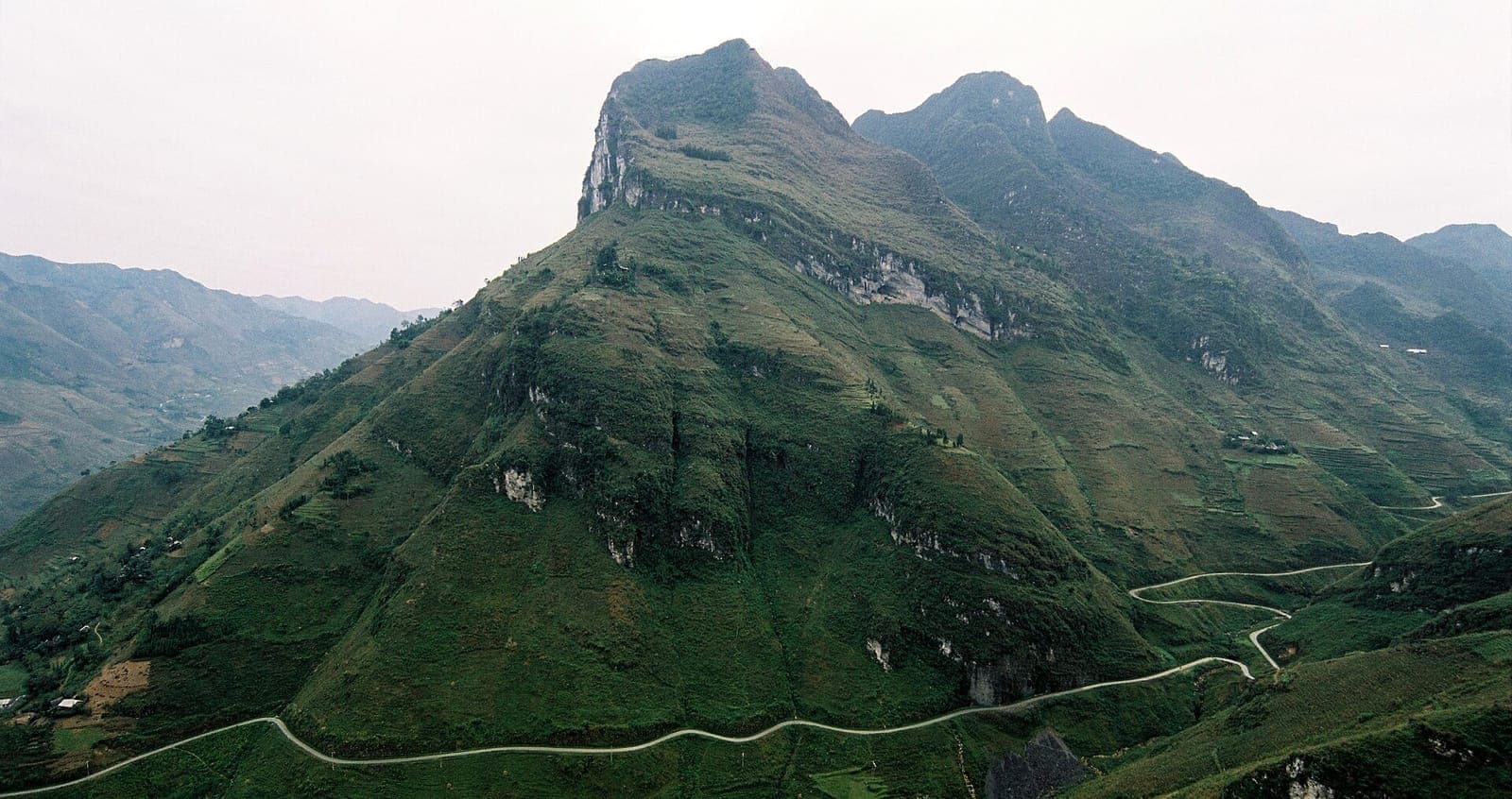
Khánh Hmoong · CC BY 2.0
Light pollution is artificial light shining where it is not needed, when it is not needed, or more brightly than needed. Much of it never reaches the road; it spills upwards, scatters in the atmosphere and builds light domes visible from tens of kilometres away.
What the global data says
The World Atlas of Artificial Night Sky Brightness, published by Fabio Falchi and colleagues in Science Advances in 2016, estimated that more than 80% of the world's population lives under light-polluted skies. A later study by Christopher Kyba and colleagues in Science in 2023, drawing on tens of thousands of citizen observations from the Globe at Night programme, found that sky brightness as perceived by the human eye rose by roughly 9 to 10% per year between 2011 and 2022. That is far faster than satellites had recorded.
Part of the gap is technical. The VIIRS sensor used for night imagery is largely blind to blue light, while white LEDs emit a great deal of it. As cities switch to LED, satellites can register less light even as the sky itself grows brighter.
In Vietnam
We have not found a systematic nationwide programme of SQM measurements. Everything below is therefore an estimate, based on night-time satellite imagery and field observation.
The two large metropolitan areas around Hanoi and Ho Chi Minh City create wide light domes, putting their centres at Bortle 8 to 9 and a surrounding belt several tens of kilometres wide at 5 to 7. Along the coastal plains, towns, industrial parks and expressways form a nearly continuous chain. One distinctive source is offshore fishing: in squid season the fleets can show on satellite images as brightly as a city at sea.
By contrast, the northern mountains, much of the Central Highlands, the national parks and some islands still hold skies at Bortle 2 to 4. That is why the Sao Viet map concentrates on them.
Why it matters
Artificial light at night affects migrating species, pollinating insects, sea turtles coming ashore to nest, and the circadian rhythm of people themselves. For anyone who loves the sky, the most visible cost is the loss of the Milky Way, a part of our heritage that earlier generations took for granted.
What can be done
The answer is not darkness but better lighting: fixtures shielded from the sky, light only when it is needed, no brighter than necessary, and warm colour temperatures below 3000 K. At travel destinations, every homestay that chooses a downward-facing lamp over a floodlight keeps a piece of sky intact. Sao Viet works with the hosts we visit to apply these principles.
Comments
00No comments yet. Be the first.